
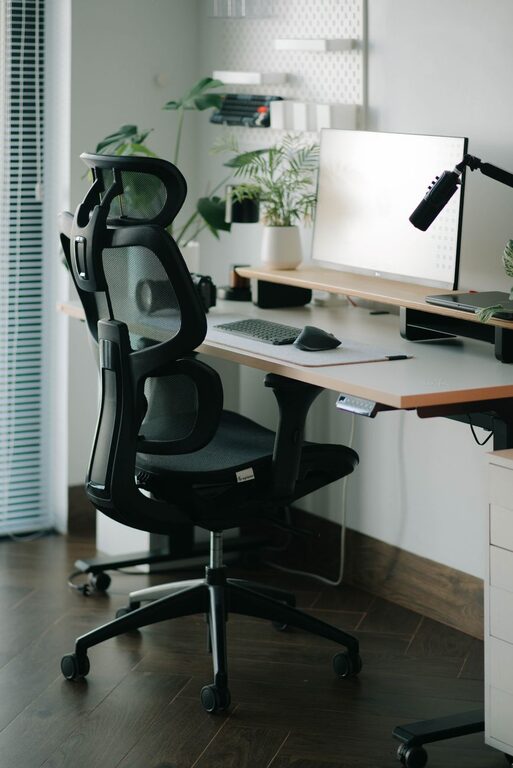
Creating a workspace that fosters both focus and comfort can significantly improve your productivity and well-being. Whether you work from home, study, or spend hours at a desk, a thoughtfully arranged setup is key. Here are practical tips to design a desk space that supports concentration and reduces physical strain.
Choose the Right Desk and Chair
Desk Height and Size
Start with a desk that fits your space but also accommodates your work materials without clutter. The ideal desk height is typically between 28 to 30 inches, allowing your forearms to rest comfortably when typing or writing.
Ergonomic Chair
Invest in an ergonomic chair that supports your lower back and encourages good posture. Adjustable height and lumbar support are essential features to reduce strain during long sessions.
Optimize Monitor Placement
Position your monitor directly in front of you about an arm’s length away. The top of the screen should be at or slightly below eye level to prevent neck strain. If you use multiple monitors, arrange them to minimize head turning.
Organize Your Desk for Efficiency
Declutter Regularly
A clean desk helps clear your mind. Keep only frequently used items within reach and store less-used supplies in drawers or organizers.
Use Desk Organizers
Use trays, pen holders, and cable organizers to keep your workspace tidy. This reduces distractions and makes essential tools easy to find.
Improve Lighting
Natural light is best for focus and mood, so if possible, position your desk near a window. Otherwise, use adjustable desk lamps with soft, warm light to reduce eye strain. Avoid glare on your screen by adjusting blinds or the lamp’s angle.
Add Comfort Elements
Wrist Support
Consider wrist rests for your keyboard and mouse to maintain neutral wrist positions. This helps prevent discomfort and repetitive strain injuries.
Footrest
If your feet don’t comfortably touch the floor, use a footrest to support proper leg posture. This promotes circulation and reduces fatigue.
Personalize Your Space Mindfully
Add a few personal touches like plants, photos, or artwork that inspire you without overcrowding the space. Greenery, in particular, can boost mood and reduce stress.
Manage Noise and Distractions
Use noise-canceling headphones or white noise machines to block out distracting sounds. Keeping your phone on silent or using focus apps can also help maintain concentration.
Maintain Good Habits
– Take regular breaks to stretch and move around.
– Adjust your posture frequently.
– Keep hydrated and practice deep breathing to reduce tension.
—
By applying these desk setup tips, you can create a workspace that not only looks inviting but also supports your physical health and mental focus. A comfortable and organized desk makes it easier to stay productive and enjoy your work or study time.