
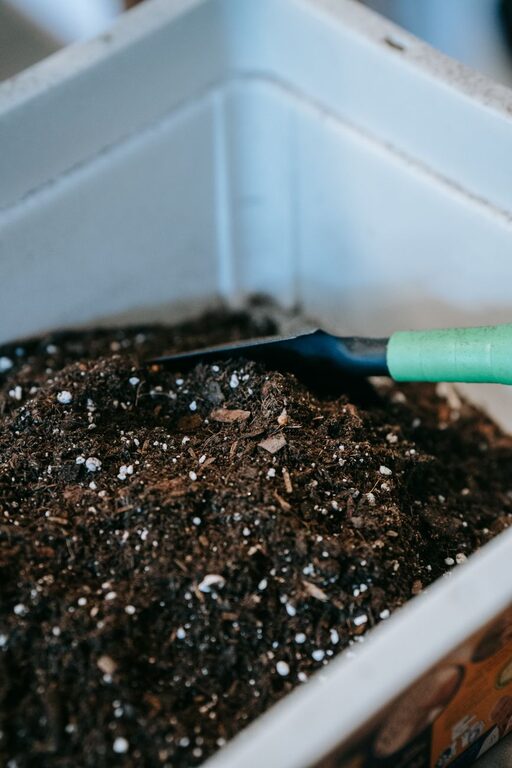
Composting at home is a rewarding and environmentally friendly way to reduce kitchen and garden waste while creating nutrient-rich soil for your plants. If you’re new to composting, it may seem complicated at first, but with a few simple steps, you can start turning scraps into valuable compost quickly and easily. This guide offers beginner tips to help you set up and maintain a successful home compost system.
What Is Composting?
Composting is the natural process of breaking down organic materials, such as food scraps and yard waste, into a rich soil amendment called compost. This dark, crumbly material improves soil quality, helps retain moisture, and provides essential nutrients for plants. Composting reduces the amount of organic waste sent to landfills, which in turn helps lower greenhouse gas emissions.
Benefits of Composting at Home
– Reduces waste: Diverts food scraps and yard waste from the trash.
– Saves money: Less need to buy fertilizers or soil conditioners.
– Improves soil health: Adds nutrients and improves soil structure.
– Supports plants: Enhances plant growth and resilience.
– Eco-friendly: Helps reduce your carbon footprint.
Getting Started with Home Composting
Choose a Composting Method
There are several methods for home composting. Choose the one that suits your available space, lifestyle, and needs:
– Compost bin: A container where you add materials and turn them occasionally. Good for small to medium spaces.
– Compost pile: An open pile of organic waste, ideal for larger yards.
– Tumbler: A rotating bin that makes mixing the compost faster and easier.
– Vermicomposting: Using worms to break down food scraps, perfect for indoor composting or small spaces.
Find a Suitable Location
Select a well-drained, shaded spot for your compost bin or pile. Avoid direct sunlight to prevent the compost from drying out too quickly. Ensure the spot is convenient for adding materials regularly.
What to Compost: Materials to Include and Avoid
Greens (Nitrogen-rich materials)
These materials provide nitrogen that helps microbes break down organic matter.
– Fruit and vegetable scraps
– Coffee grounds and filters
– Tea bags (without staples)
– Grass clippings
– Fresh plant trimmings
Browns (Carbon-rich materials)
These provide carbon, which is essential for a balanced compost.
– Dry leaves
– Straw or hay
– Shredded newspaper and cardboard
– Small twigs and branches
– Sawdust (untreated wood)
Items to Avoid
Certain materials can cause problems in compost or attract pests:
– Meat, fish, and bones
– Dairy products
– Oils and greasy foods
– Pet waste
– Diseased plants
– Weeds with seeds
How to Build a Compost Pile
- **Start with a layer of coarse materials:** Place twigs or straw at the bottom for airflow.
- **Add alternating layers:** Layer greens and browns to balance nitrogen and carbon.
- **Maintain moisture:** Compost should be as damp as a wrung-out sponge.
- **Turn regularly:** Every 1-2 weeks, mix the compost to add oxygen and speed up decomposition.
- **Monitor temperature:** A hot compost pile (between 130-160°F) breaks down material faster, but beginner composters can also manage cooler, slower piles.
Tips for Successful Composting
– Balance greens and browns: Aim for roughly a 2:1 ratio of browns to greens.
– Chop or shred materials: Smaller pieces compost faster.
– Keep the pile moist but not wet: Water if it’s dry and cover if it’s too wet.
– Turn compost regularly: This prevents odors and keeps microorganisms active.
– Be patient: Composting can take from a few weeks to several months depending on conditions.
Using Your Finished Compost
When compost looks dark brown, crumbly, and earthy, it’s ready to use. You can:
– Mix it into garden beds to improve soil texture and fertility.
– Use as a mulch around plants to retain moisture.
– Add to potting soil for container plants.
– Topdress lawns to boost growth naturally.
Troubleshooting Common Compost Problems
– Bad odors: Usually caused by too much moisture or too many greens. Add browns and turn the pile.
– Slow decomposition: Check moisture levels, add nitrogen-rich materials, and turn more frequently.
– Pests: Avoid meat and grease, and use a closed bin or cover to deter animals.
– Pile too dry: Add water when turning; dry materials compost slowly.
Final Thoughts
Home composting is a sustainable practice anyone can try. Starting small and learning through experience will help you develop a thriving compost system that benefits your garden and the environment. Remember, patience and balance are key. Soon, you’ll enjoy richer soil and a greener lifestyle!
Happy composting!